When considering conditions affecting the spine, many patients ask, “which is worse spinal stenosis or foraminal stenosis?” Both conditions can cause significant discomfort and impact daily life, but their implications and treatment options may differ. Understanding these differences can help you make informed decisions regarding your health.
Dr Jawaad Malik, a consultant in Pain Medicine at Nuffield Health Woking Hospital, specialises in managing complex pain conditions, including spinal stenosis and foraminal stenosis. With extensive training and experience in interventional pain management and regenerative orthopaedics, Dr Malik provides a comprehensive approach to diagnosing and treating these conditions.
What Are Spinal Stenosis and Foraminal Stenosis?
To determine which condition may be worse, it is essential to understand what spinal stenosis and foraminal stenosis are.
What is Spinal Stenosis?
Spinal stenosis occurs when the spinal canal narrows, putting pressure on the spinal cord and surrounding nerves. This narrowing can result from various factors, including age-related changes, congenital conditions, herniated discs, or injuries. Symptoms may include:
- Back pain affecting 60% of patients
- Numbness or tingling in the legs or arms
- Weakness
- Difficulty walking or maintaining balance
What is Foraminal Stenosis?
Foraminal stenosis is a specific type of spinal stenosis that occurs when the foramina, the openings through which nerve roots exit the spinal column, become narrowed. This condition can lead to nerve compression, resulting in pain and other neurological symptoms. Common causes include degenerative disc disease, arthritis, or spinal injuries. Symptoms may include:
- Localized pain in the neck or back
- Radiating pain into the arms or legs
- Weakness in the affected limbs
- Tingling or burning sensations
How Do Symptoms Differ Between Spinal Stenosis and Foraminal Stenosis?
While both conditions can cause pain, the symptoms often differ in location and severity. Spinal stenosis generally affects the central part of the spinal canal, leading to widespread symptoms. In contrast, foraminal stenosis causes pain and discomfort more focused on the areas supplied by the affected nerve roots.
Common Symptoms of Spinal Stenosis
- Dull, aching pain in the lower back
- Leg cramps and pain that worsens with walking or standing
- Relief when sitting or bending forward
- In severe cases, loss of bladder or bowel control
Common Symptoms of Foraminal Stenosis
- Sharp, shooting pain in the arm or leg, depending on the affected nerve root
- Weakness or numbness in the hands or feet
- Pain that may worsen with certain movements or positions
- Difficulty in performing daily tasks due to pain
What Are the Causes of Spinal Stenosis and Foraminal Stenosis?
Understanding the underlying causes of these conditions can provide insight into their management and prognosis.
Causes of Spinal Stenosis
The most common causes include:
- Age-related degeneration of the spine
- Herniated discs that protrude into the spinal canal
- Bone spurs that develop from arthritis
- Injuries to the spine
Causes of Foraminal Stenosis
Foraminal stenosis can be caused by similar factors but often involves additional elements such as:
- Degenerative changes in the intervertebral discs
- Inflammation from conditions like arthritis
- Thickening of ligaments surrounding the foramina
- Previous spinal surgeries or trauma
How Are Spinal Stenosis and Foraminal Stenosis Diagnosed?
Diagnosis for both conditions typically involves a comprehensive evaluation of medical history, physical examinations, and imaging studies.
Diagnostic Steps for Spinal Stenosis
- Medical history review to identify symptoms and their impact
- Physical examination to assess range of motion and nerve function
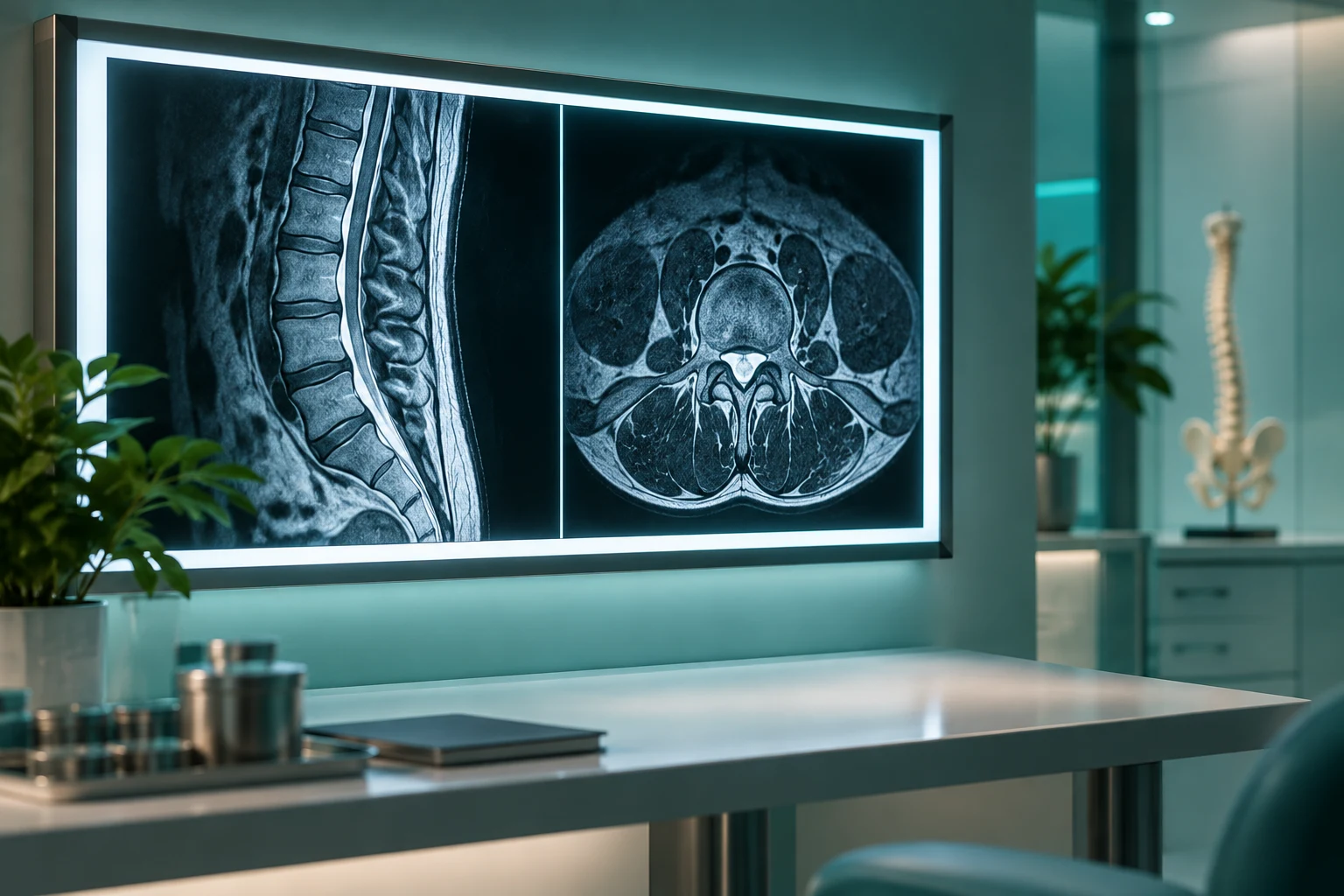
- Imaging tests such as X-rays, MRI, or CT scans to visualise the spinal canal
Diagnostic Steps for Foraminal Stenosis
- Similar to spinal stenosis, including a thorough medical history and physical examination
- Specific imaging tests to evaluate the foramina and surrounding structures
- Electromyography (EMG) may be used to assess nerve function
What Are the Treatment Options for Spinal Stenosis and Foraminal Stenosis?
Both conditions can be managed effectively with various treatment options. The choice of treatment often depends on the severity of symptoms and the overall health of the patient.
Treatment Options for Spinal Stenosis
- Conservative treatments, including physical therapy and pain management medications
- Injections, such as epidural steroid injections, to relieve inflammation
- Surgery may be considered in severe cases to decompress the spinal canal
Treatment Options for Foraminal Stenosis
- Physical therapy to strengthen the neck or back and improve flexibility
- Medications to manage pain and inflammation
- Interventional procedures like nerve blocks or steroid injections
- Surgery may be necessary to relieve pressure on the affected nerve root
Which Is Worse: Spinal Stenosis or Foraminal Stenosis?
The question of which condition is worse, spinal stenosis or foraminal stenosis, largely depends on individual circumstances. Spinal stenosis tends to have more widespread symptoms that can significantly affect mobility and quality of life. In contrast, foraminal stenosis may lead to more focal pain and neurological deficits related to specific nerve root involvement.
Ultimately, the severity of symptoms, the response to treatment, and the patient’s overall health will play a crucial role in determining the impact of either condition. Consulting with a specialist, such as Dr Jawaad Malik, can provide tailored advice and treatment options suited to individual needs.
Frequently Asked Questions
Which is worse spinal stenosis or foraminal stenosis?
The severity of spinal stenosis versus foraminal stenosis varies by individual. Spinal stenosis often presents with more widespread symptoms, while foraminal stenosis typically causes localized nerve pain. Consulting a specialist can help determine the best treatment approach.
What are the common symptoms of spinal stenosis?
Common symptoms include back pain, numbness or tingling in the legs or arms, weakness, and difficulty walking. Some patients may experience relief when leaning forward or sitting.
How is foraminal stenosis diagnosed?
Foraminal stenosis is diagnosed through a detailed medical history, physical examination, and imaging tests such as MRI or CT scans to visualize the foramina and surrounding structures.
What treatments are available for spinal stenosis?
Treatment options include physical therapy, pain management medications, epidural steroid injections, and, in severe cases, surgery to decompress the spinal canal. According to the NHS, approximately 90% of patients find relief through non-surgical treatments.
Can spinal stenosis be prevented?
While spinal stenosis may not be entirely preventable, maintaining a healthy lifestyle, regular exercise, and proper body mechanics can help reduce the risk of developing this condition. For more information, you can visit NHS.
If you’re experiencing symptoms related to spinal or foraminal stenosis and want personalised guidance regarding which condition may be affecting you, book a consultation with Dr Jawaad Malik today.