For individuals experiencing spinal stenosis, a common query is, “what are the final stages of spinal stenosis?” This condition, characterised by the narrowing of the spinal canal, can lead to significant discomfort and mobility challenges as it progresses. Understanding the final stages is crucial for effective management and treatment options.
Dr Jawaad Malik, a consultant in Pain Medicine in Surrey and Buckinghamshire, who specialises in interventional pain management and regenerative orthopaedics. His extensive experience equips him to guide patients through the complexities of spinal stenosis, ensuring they receive personalised care tailored to their needs.
What Causes Spinal Stenosis?
Spinal stenosis can result from various factors, including:
- Aging:As people age, the spine undergoes degenerative changes, leading to a potential narrowing of the spinal canal.
- Arthritis:Osteoarthritis can cause bone spurs and inflammation, contributing to spinal canal narrowing. In fact, studies indicate that approximately 70% of individuals over 60 exhibit some degree of spinal stenosis due to arthritis-related changes.
- Herniated Discs:Discs that bulge or rupture can press on spinal nerves, leading to stenosis.
- Spinal Injuries:Trauma to the spine can result in swelling and structural changes that lead to stenosis.
- Congenital Conditions:Some individuals are born with a narrower spinal canal, increasing their risk of developing spinal stenosis.
What Are the Symptoms of Spinal Stenosis?
Symptoms of spinal stenosis can vary widely among individuals, depending on the severity and location of the narrowing. Common symptoms include:
- Pain:Often experienced in the neck, back, arms or legs, particularly when standing or walking.
- Numbness or Tingling:Patients may feel a tingling sensation or numbness in their limbs.
- Weakness:Some may experience muscle weakness, affecting mobility and balance.
- Difficulty Walking:Many patients report increased pain and discomfort when walking, sometimes leading to a stooped posture.
- Loss of Bladder or Bowel Control:In severe cases, stenosis can affect nerve function related to bladder and bowel control.
What Are the Final Stages of Spinal Stenosis?
The final stages of spinal stenosis often manifest as a culmination of worsening symptoms and complications. In these stages, patients may experience:
- Increased Pain Intensity:Pain may become chronic and more severe, often requiring stronger medications.
- Significant Mobility Issues:Patients may struggle to walk or stand for extended periods, leading to reduced physical activity. A study by the National Institute for Health and Care Excellence (NICE) indicates that nearly 30% of patients report significant mobility impairment in the late stages of the condition.
- Increased Nerve Damage:Prolonged compression of spinal nerves can lead to irreversible nerve damage, resulting in permanent weakness or numbness.
- Potential for Surgery:When conservative treatments fail, surgical options may be considered to relieve pressure on the spinal cord and nerves.
- Quality of Life Decline:Daily activities and overall quality of life may deteriorate, impacting mental health and emotional well-being.
How Is Spinal Stenosis Diagnosed?
Diagnosis of spinal stenosis typically involves a combination of physical examinations and imaging tests. Healthcare providers may:
- Conduct a Physical Exam:Assess strength, reflexes, and any signs of nerve damage.
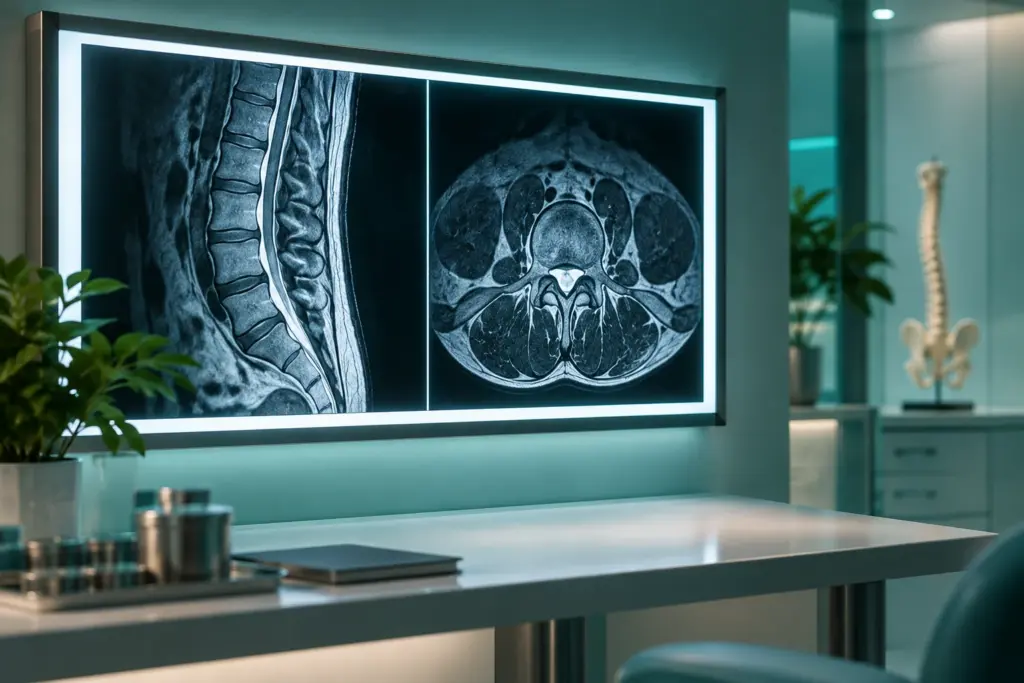
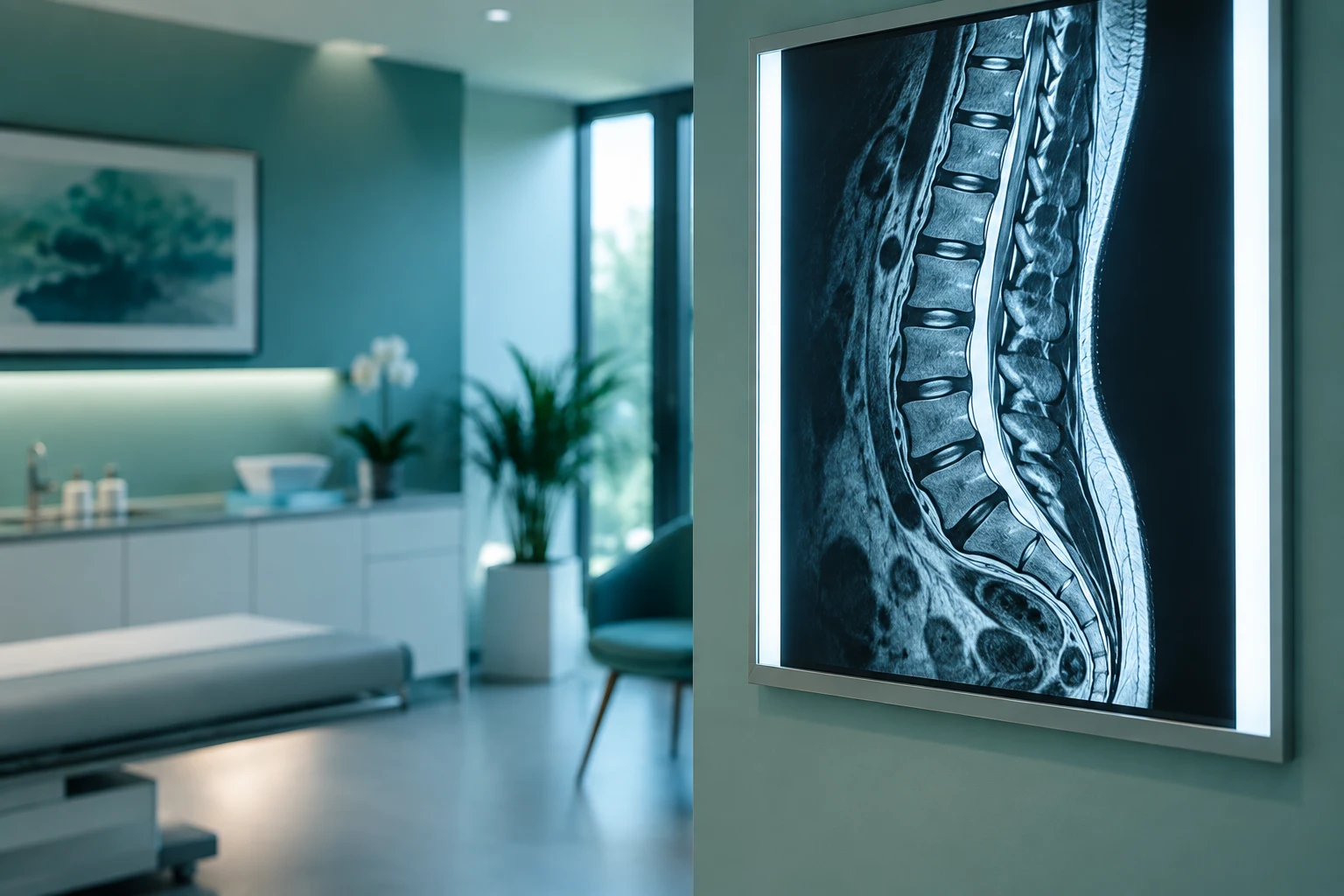
- Utilise Imaging Tests:MRI or CT scans can provide detailed images of the spine, helping to identify the location and cause of stenosis.
- Review Medical History:Understanding a patient’s history, including prior injuries and existing conditions, can aid in diagnosis.
What Are the Treatment Options for Spinal Stenosis?
Treatment for spinal stenosis varies based on the severity of the condition and its impact on daily life. Options may include:
- Physical Therapy:Exercises can help strengthen muscles, improve flexibility, and enhance overall function.
- Medications:Pain relievers, anti-inflammatory drugs, and nerve pain medications may be prescribed to manage symptoms.
- Injections:Corticosteroid injections can reduce inflammation and provide temporary relief.
- Surgery:In severe cases, procedures such as laminectomy or spinal fusion may be recommended to relieve nerve pressure.
How Can You Manage Symptoms at Home?
In addition to professional treatment, patients can take steps at home to manage symptoms of spinal stenosis:
- Heat and Ice Therapy:Applying heat or ice packs can alleviate pain and reduce inflammation.
- Rest:Taking breaks during activities that exacerbate symptoms can help manage discomfort.
- Gentle Exercise:Engaging in low-impact activities, such as swimming or walking, can improve mobility without overstraining the spine.
- Weight Management:Maintaining a healthy weight can reduce stress on the spine and alleviate symptoms.
When Should You Seek Medical Attention?
It’s essential to seek medical advice if you experience:
- New or Worsening Symptoms:If pain, numbness, or weakness increases, it’s crucial to consult a healthcare professional.
- Loss of Bladder or Bowel Control:This may indicate severe nerve compression and requires immediate medical attention.
- Difficulty Walking:If mobility becomes significantly impaired, professional evaluation is necessary.
Frequently Asked Questions
What are the final stages of spinal stenosis?
The final stages of spinal stenosis involve worsening symptoms, increased pain, significant mobility issues, and potential irreversible nerve damage. Patients may also face a decline in quality of life, necessitating consideration of surgical options.
What are the common symptoms of spinal stenosis?
Common symptoms include pain in the back or legs, numbness or tingling in the limbs, weakness, and difficulty walking. Symptoms often worsen with activity and improve with rest.
How is spinal stenosis diagnosed?
Diagnosis typically involves a physical examination, imaging tests like MRI or CT scans, and a review of the patient’s medical history. This comprehensive approach helps identify the cause and extent of stenosis.
What are the treatment options for spinal stenosis?
Treatment options may include physical therapy, medications, injections, and, in severe cases, surgery. The goal is to relieve symptoms and improve function.
How can I manage spinal stenosis symptoms at home?
Patients can manage symptoms by using heat or ice therapy, resting, engaging in gentle exercise, and maintaining a healthy weight to reduce stress on the spine.
When should I see a doctor for spinal stenosis?
Seek medical attention if you experience new or worsening symptoms, loss of bladder or bowel control, or significant difficulty walking, as these may indicate a need for urgent evaluation.
Understanding the final stages of spinal stenosis is vital for effective management and treatment. If you are experiencing symptoms or have concerns regarding spinal stenosis, consider booking a consultation with Dr Jawaad Malik to discuss your options and develop a personalised treatment plan.